We compile some tutorials, videos and theory for learning kitesurfing
What skills do you need to get started?
For safety reasons, you should be comfortable swimming in open water
Bring with you : sunglasses, water, cap or hat, sunscreen, shirt.
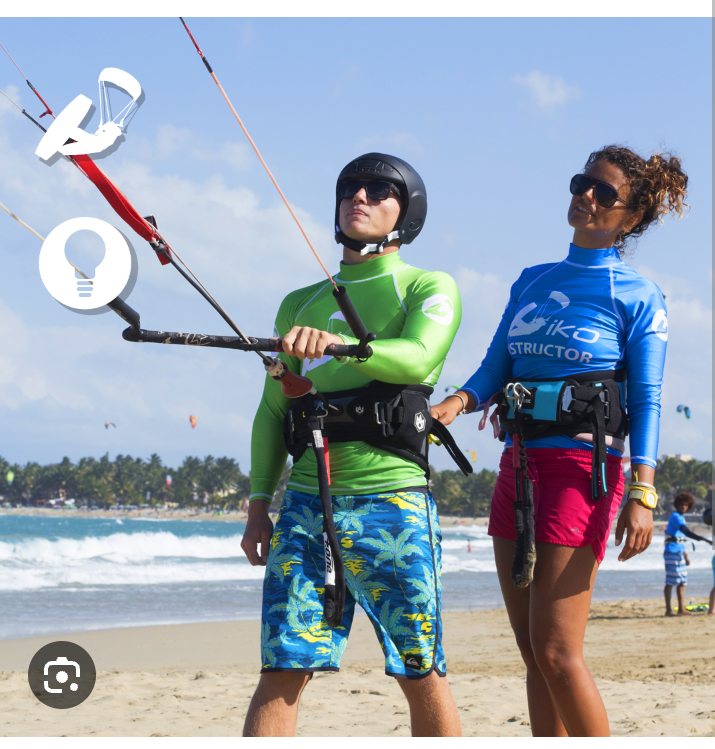
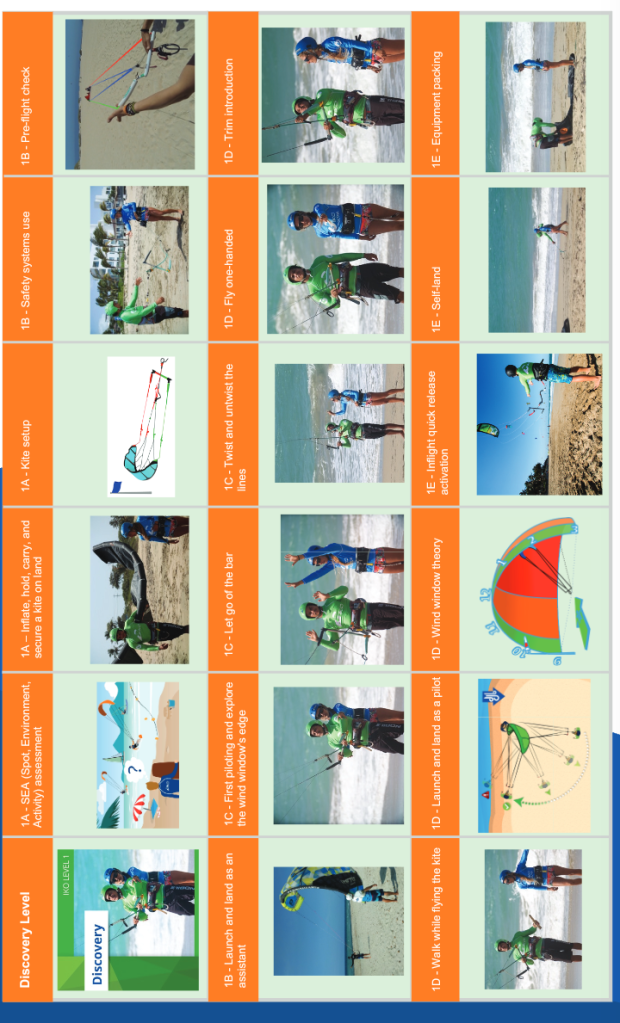
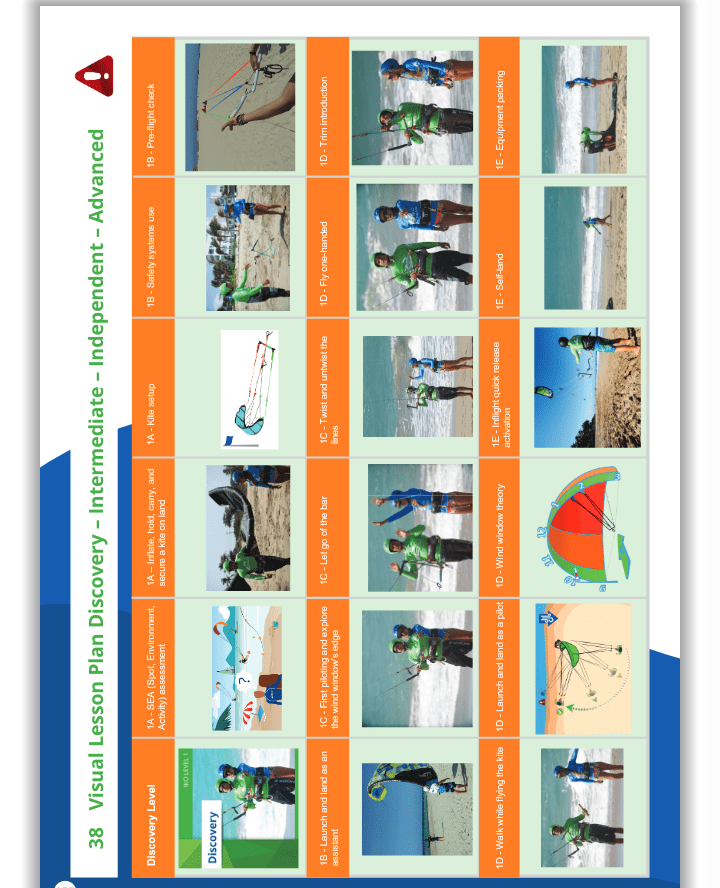
A standard beginner’s course is broken down into three core elements:
- Flying a kite on shallow water: launching, landing and kite control
- Flying a kite in the water: body dragging, control and re-launching
- Getting up and riding on a board
Within these elements, you will also learn about:
- Assessing an area for safe kiting conditions
- Understanding the wind direction, strength and gusts
- Understanding tides, currents and hazards
- Choosing the right equipment for the conditions
- Setting-up, tuning and packing down your equipment
- Safety procedures and what to do in an emergency
- Board-starts (getting up on the board)
- Continuous riding and speed control
- How to stay upwind
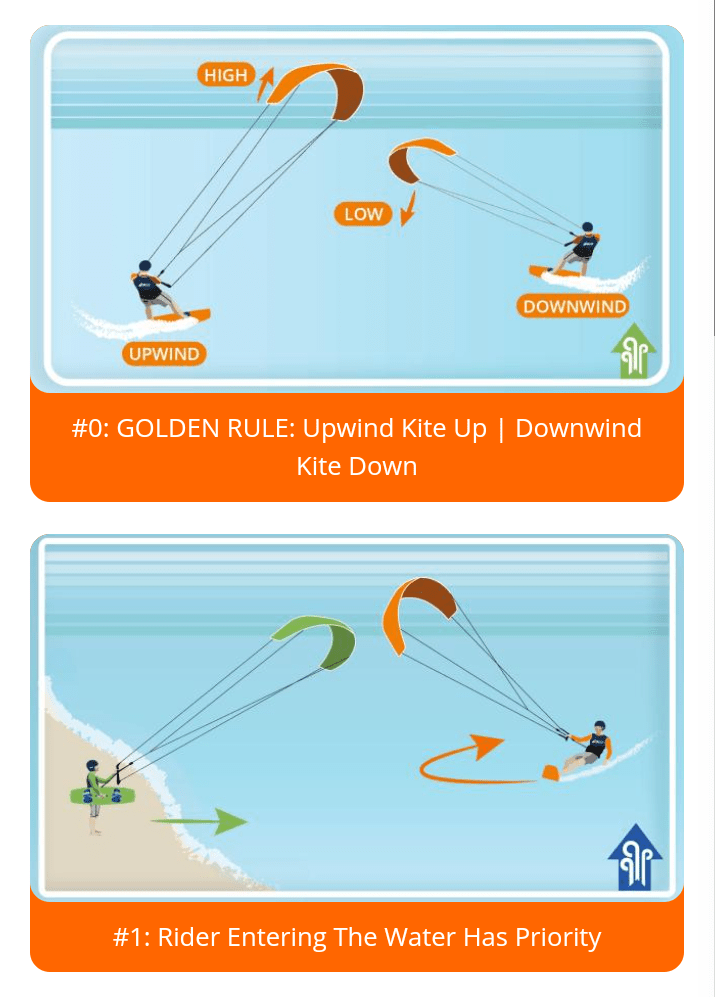
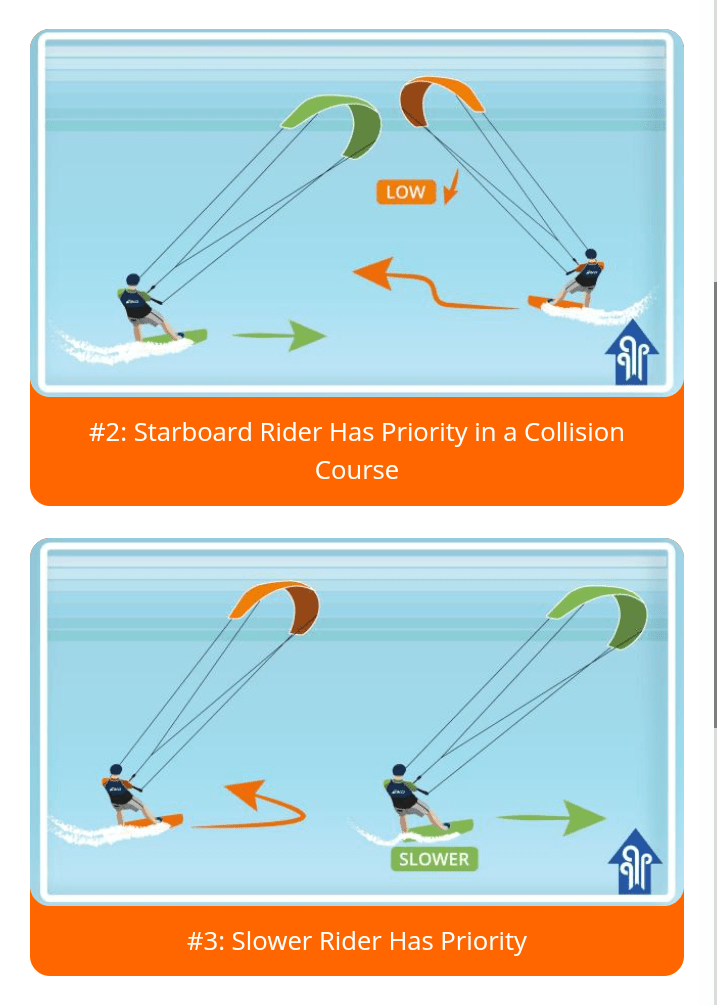
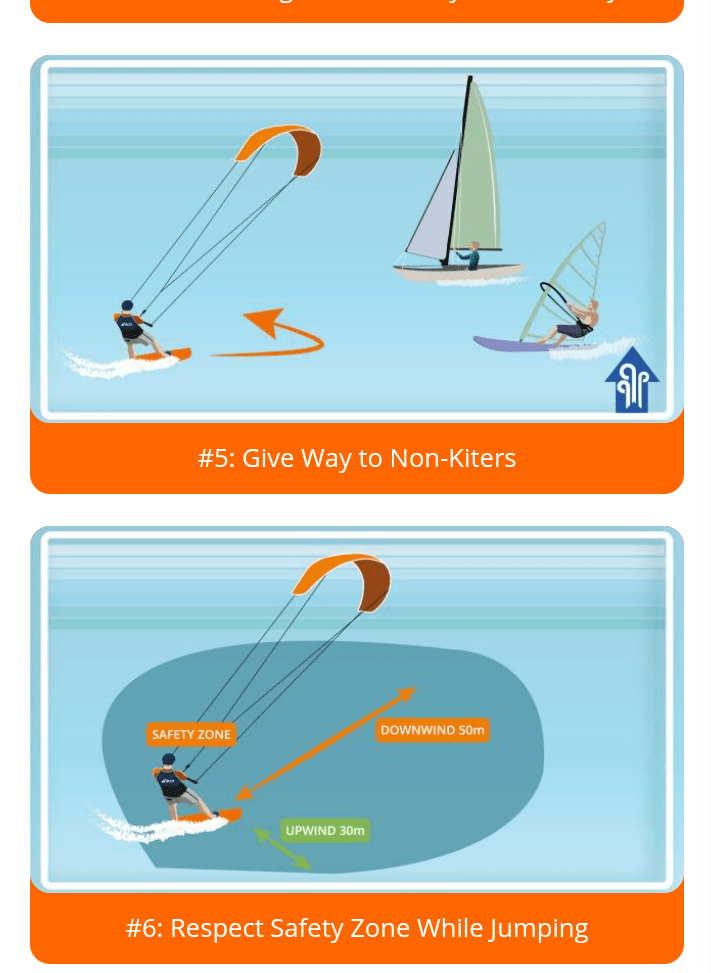
- Rules and rights of way on the water
How many lessons do you need before you’re up and riding?
“Most people need around 10-12 hours, to get up and riding along. Some need more – or if a student has prior board-riding experience [like wakeboarding or windsurfing], plus the right one-to-one coaching, they could potentially be independent in two days ,”
https://explorawatersports.com/news/kite-theory/
Beginner kit list:
- Kite – the size you’ll need depends on the wind strength
- Bar and lines
- Board
- A harness
- Safety leash and safety knife
- Floatation vest
- Helmet – one that’s specifically designed for kitesurfing
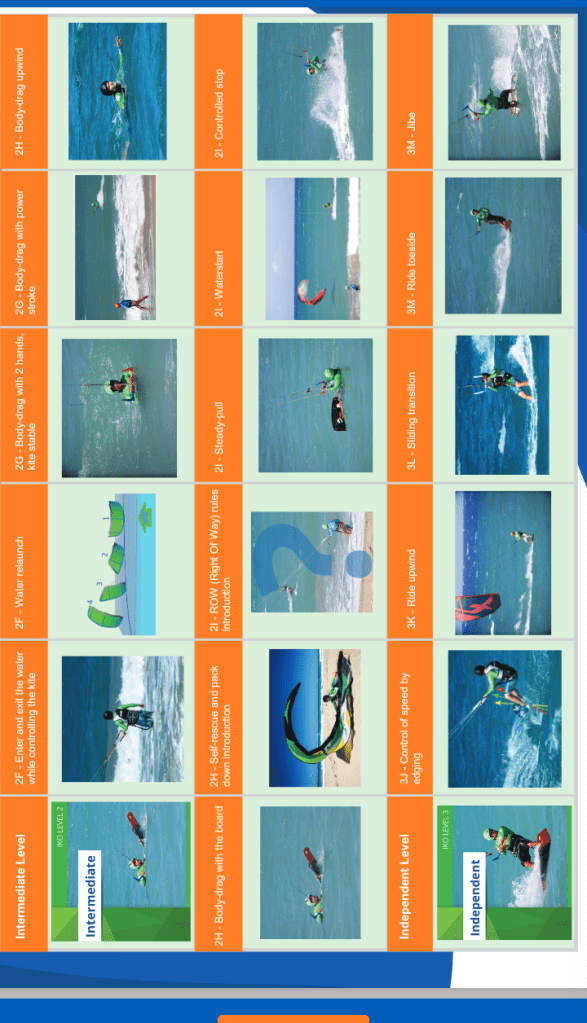
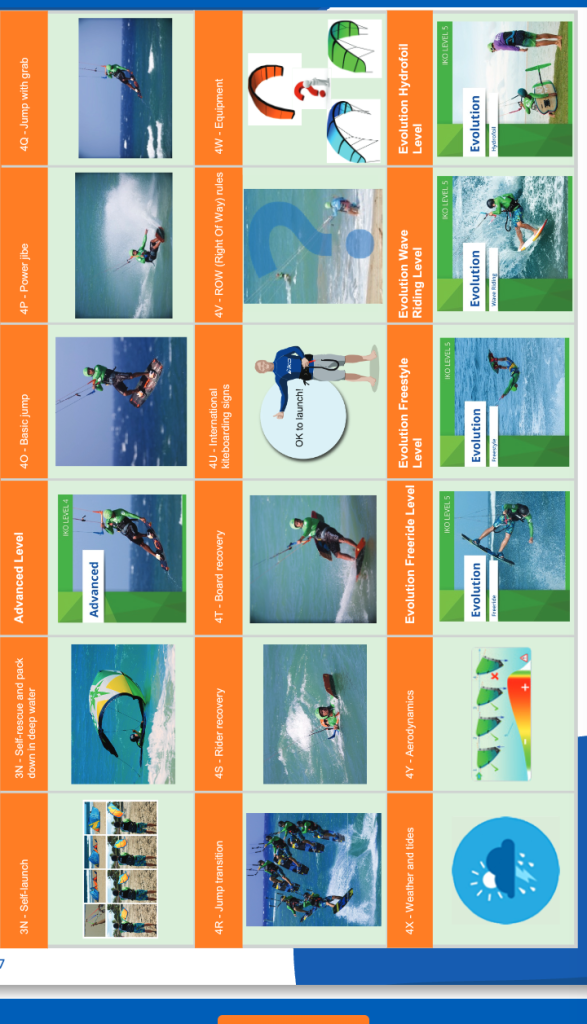
UNDERSTANDING THE KITESURFING STAGES
HOW TO BECOME A KITESURFER
- On the beach, flying a 2 line kite, understanding the wind, wind window, theory and safety.
On shallow water, flying a 4 line kite, understanding how to set up a kite, launch and land successfully, understand how to handle the kite and move in and out of the power zone.
2. HEAD INTO THE WATER AND BODY DRAGGING
Understanding how to propel yourself through the water. This is called body dragging, you will be able to soft body drag and power body dragging upwind.
3. BRING THE ELEMENTS TOGETHER (KITE AND BOARD)
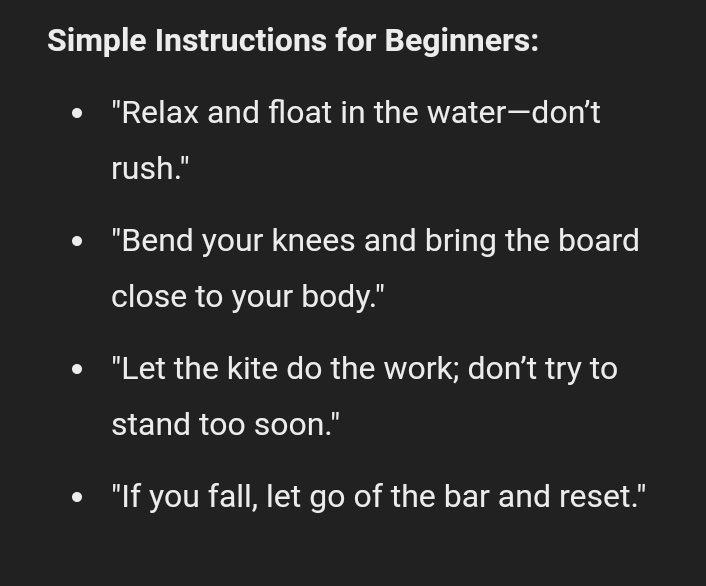
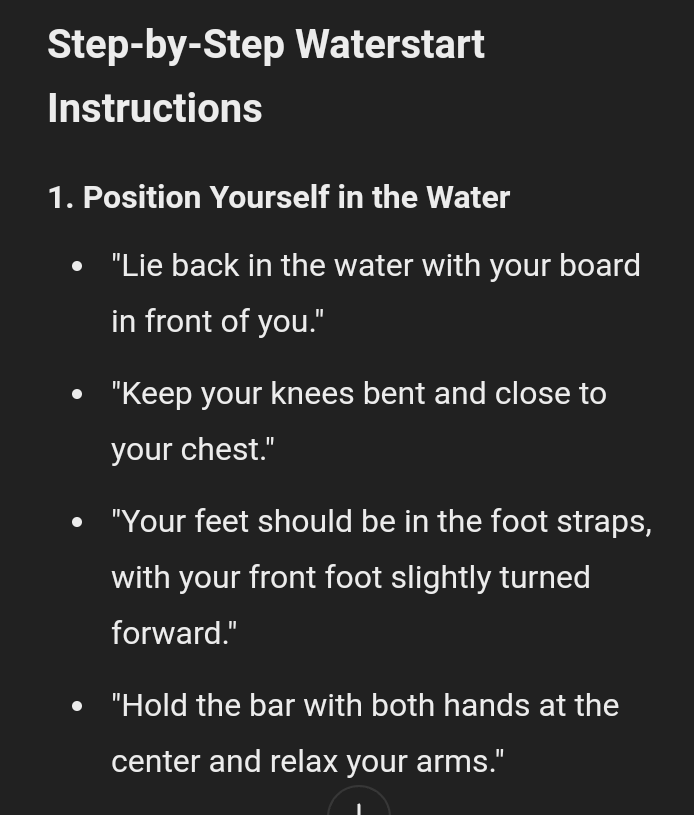
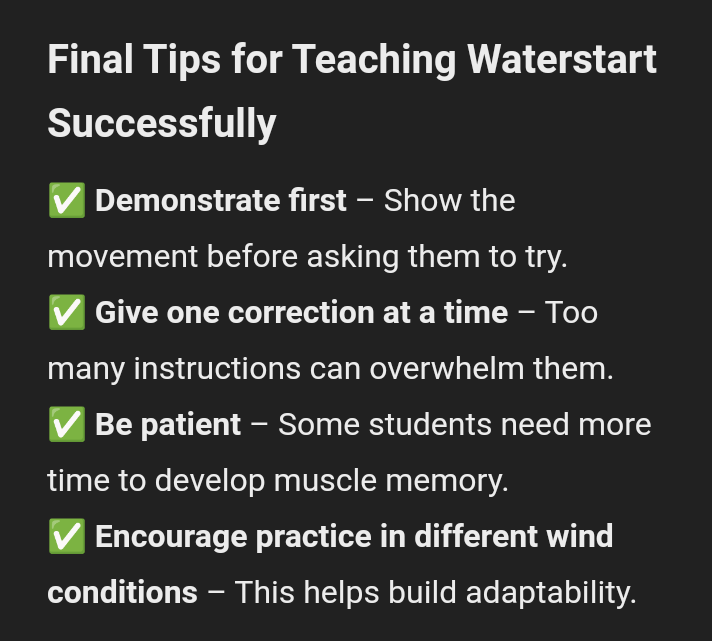
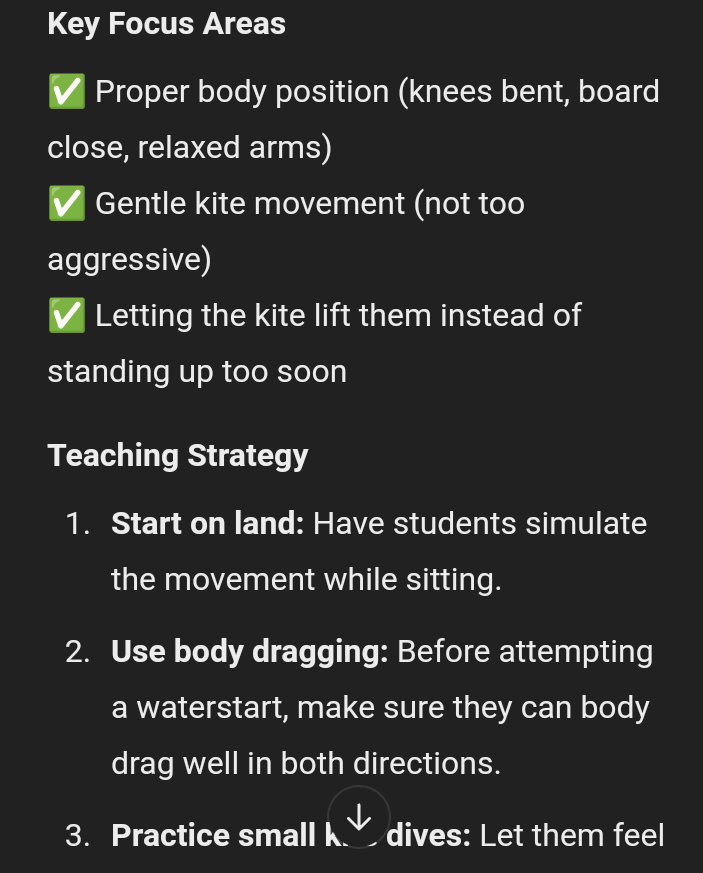
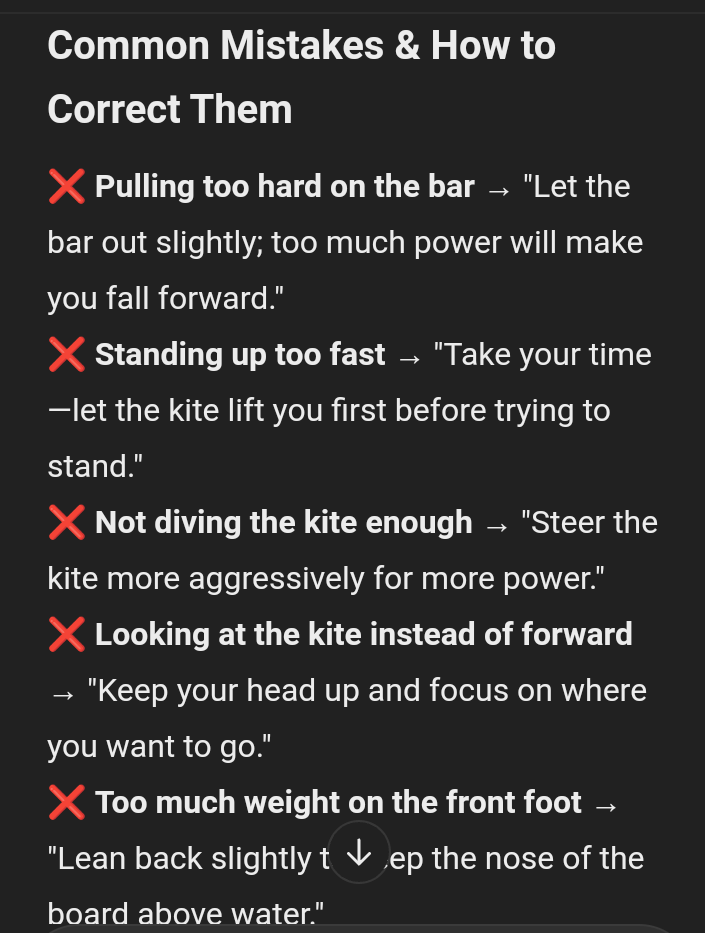
At this stage you will be learn to water start with the board and the kite, experiencing your first ride, extending your ride downwind
Waterstart
4. BUILD ON YOUR POSTURE AND STANCE
Improving your posture and stance to enable you to ride upwind, perfecting your transition turns, switch turns and looking at your first pops to jumps.
Riding upwind
How to kitesurf upwind
Corn Island, located off the Caribbean coast of Nicaragua, is an awesome spot for kitesurfing due to several reasons:
1. The Wind: The island is blessed with consistent trade winds blowing at about 20-25 knots, which are perfect for kitesurfing. These winds also bring relief from the heat of the day.
2. The Water: The crystal-clear waters of Corn Island provide perfect conditions for kitesurfing. The water is warm and shallow, which makes it ideal for beginners and beginners. The shallow waters also ensure no big waves, providing a smooth ride.
3. The Scenery: Corn Island offers breathtaking views, and kitesurfers get to experience it all while gliding over the water surface. Kitesurfing on Corn Island is a delight with stunning sunsets, white sandy beaches, and lush palm trees.
4. Access to Professionals: The island has several kite schools and instructors who provide training and equipment rental, making it the perfect destination for those interested in taking up kitesurfing or improving their skills.
Overall, the perfect combination of wind, water, and scenery made Corn Island become a world-class destination for kitesurfing, attracting people from all over the world to come and experience the sport.
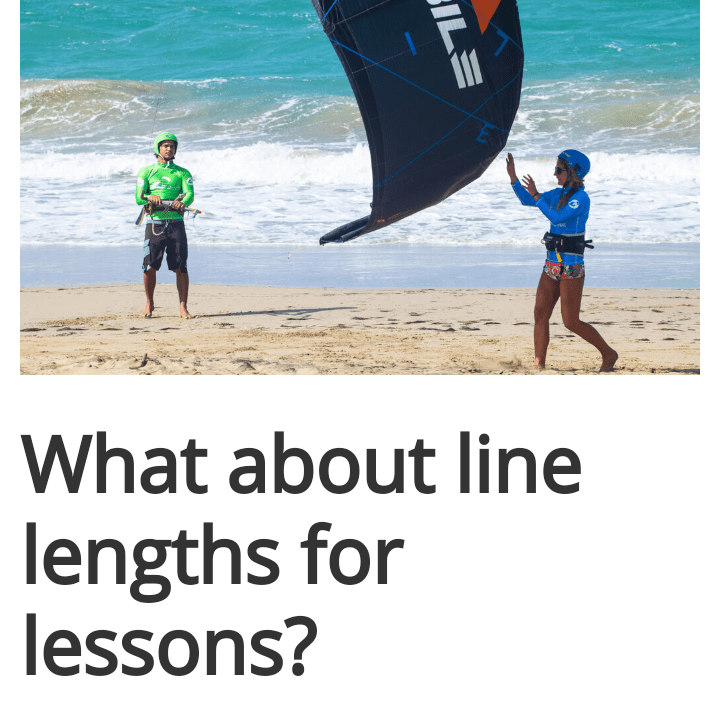
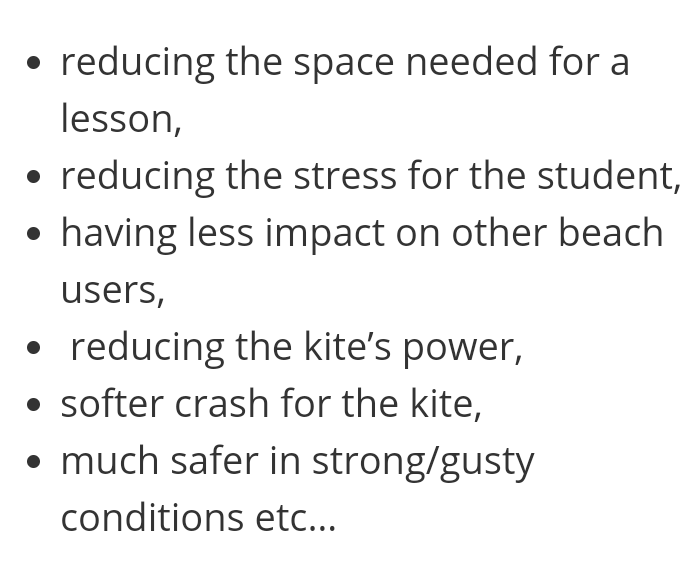
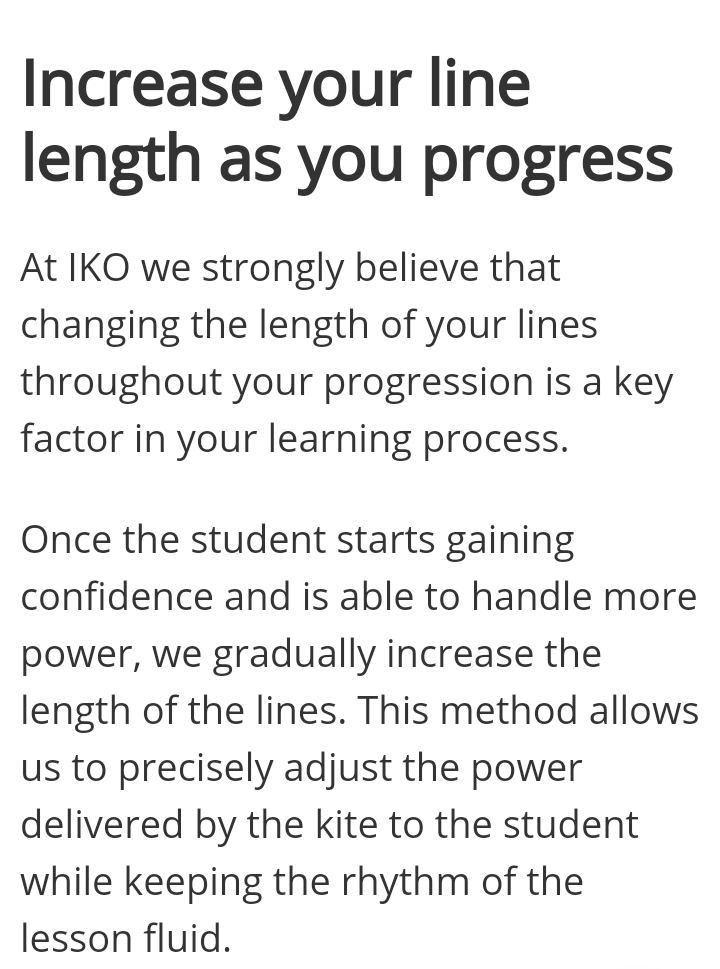
Why we use short lines
Kitesurf theory
Learn kitesurfing in Nicaragua
Waterstart

 kitesurf Nicaragua